
Size Does Matter
Updated: May 12

Rubbing, chaffing, pinching, bone damage and soft-tissue deformation are all very real injuries from tack that is the wrong size for you and your horse.
Have you ever wondered how much size influences the way your tack fits your horse? Tack that is improperly sized can lead to discomfort for your horse and can even affect its performance. Unsure if your saddle pad is too small, your bit is too long, your saddle is too big, or your girth is too short? Understanding the nuances of tack sizing is crucial for both the comfort of your horse and the effectiveness of your riding.
Here are some detailed guidelines for checking your tack, common signs to look for when things aren't quite right, and the importance of correctly-sized tack in ensuring a positive experience for both horse and rider.
Checking the Saddle Pad
When assessing the fit of your tack, it’s essential to take a systematic approach. Start with the saddle pad. It is like the underwear of your tack set-up. Anyone who has worn the wrong undies with a stunning outfit knows how detrimental it can be. The saddle pad should cover the horse's back adequately, extending from the widest part of the shoulder and most to 4" behind the last rib without being overly tight or restrictive. A pad that is too small may not provide enough cushioning, leading to pressure points that can cause soreness. Conversely, an excessively large pad may shift during riding, resulting in an unstable fit. It can also bunch up under the saddle, and rub in sensitive areas across the lumbar and base of the neck.
Analysing the Saddle
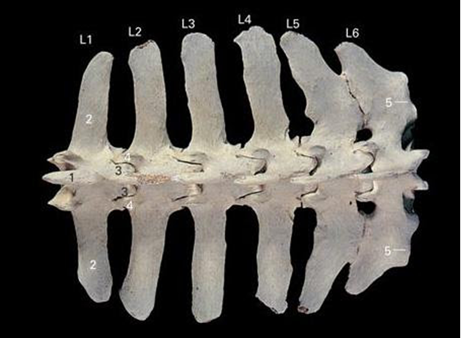
Next, examine the saddle itself. A properly fitting saddle should sit level on the horse’s back, with enough clearance for the spine and movement of the shoulders under the tree points during riding while not pinching the withers. You should be able to fit a hand between the saddle and the horse's back at the pommel and the cantle. If the saddle is too long it will be repeatedly hit by the vertical movement of the lumbar area, affecting your balance and your horse's comfort.
If the saddle is too big for the rider it will be nearly impossible to stay in alignment with the balance point because the pelvis is not adequately supported. A saddle that is too small for the rider prevents any ability to have a pliable seat. The lack of a pliable seat makes the rider block or brace against the natural movement of the horse restricting freedom and making suppleness impossible to achieve.
Assessing the Bit
Moving on to the bit, it’s important to ensure that it is the correct length. A bit that is too long can cause excessive movement in the horse's mouth, leading to discomfort and difficulty in communication between horse and rider. It's like driving a car with a loose steering wheel. On the other hand, a bit that is too short can pinch the corners of the mouth, causing pain and resistance. The ideal bit should rest comfortably in the horse's mouth, allowing for clear signals without causing distress. "Politely snug," has been the best description I have ever heard. Generally, fixed ring bits should fit snug to the face while loose ring types should have about 5mm of play. The shape of the mouthpiece plays a role in exactly how close the bit needs to fit because of the different actions each type of bit has.
Evaluating the Girth
Finally, consider the girth. A girth that is too short may not provide enough security to keep the saddle in place, while a girth that is too long could lead to slippage and instability. Buckles that sit on sensitive muscle edges will cause the horse to be tense in movement, and can lead to flow-on maladies, such as ulcers and deformation of tissues. When fitting the girth, it should be snug enough to hold the saddle securely but not so tight that it restricts the horse's movement or breathing. A good rule of thumb is to ensure that you can fit a couple of fingers between the girth and the horse’s side. The best place to check the tightness of the girth is directly over the sternum. It should feel quite snug at this point when fastened correctly. Imagine a rubber band around an egg with the pointy end facing downwards. This is like the shape of your horse's ribcage. The pressure is at the most at each end of the egg, while softening along the sides. This is how the girth stabilises the saddle while avoiding any sharp pressure on the intercostal tissues.
Common Signs of Improper Fit
Recognizing the signs of improperly fitted tack is essential for maintaining your horse's health and performance. If you notice your horse frequently pinning its ears back, resisting commands, or displaying signs of discomfort when saddled, it may be an indication that the tack is not fitting correctly. Additionally, look for signs of rubbing or chafing on the horse’s skin, as these can be clear indicators that the tack is either too tight or poorly shaped for your horse’s body.
Other signs to be aware of include unusual behavior during riding, such as bucking, rearing, favouring one direction over another, or a lack of willingness to move forward. These behaviors can stem from discomfort caused by ill-fitting tack. Observing your horse's posture can also provide clues; a horse that constantly shifts its weight or seems reluctant to engage its hindquarters might be experiencing pain or restriction due to poorly sized equipment.
The Importance of Correctly-Sized Tack
The significance of using correctly-sized tack cannot be overstated. Properly fitting equipment not only enhances your horse's comfort but also improves its overall performance. When your horse is comfortable, it is more likely to respond positively to your cues, making for a more enjoyable and productive riding experience. Furthermore, correct sizing helps to prevent injuries and long-term issues associated with pressure points and discomfort.
In conclusion, taking the time to assess and ensure that your tack is appropriately sized is a vital aspect of responsible horse ownership. By following these guidelines and being attentive to your horse’s behavior, you can ensure that both you and your horse enjoy a harmonious and effective partnership.
Book an evaluation to find out more


Comments